
Hardwood Species Guide: Choosing the Right Wood
Choosing the right wood for your project can make the difference between something that lasts for decades and something that struggles to hold up over time. With so many options available, it’s easy to feel overwhelmed — especially when each species has its own strengths, appearance and ideal use cases.
This hardwood species guide will help you understand the characteristics of different hardwoods and determine the best hardwood species for your specific needs. Whether you’re building furniture, working on a construction project or tackling an agricultural application, selecting the right wood is key to success.
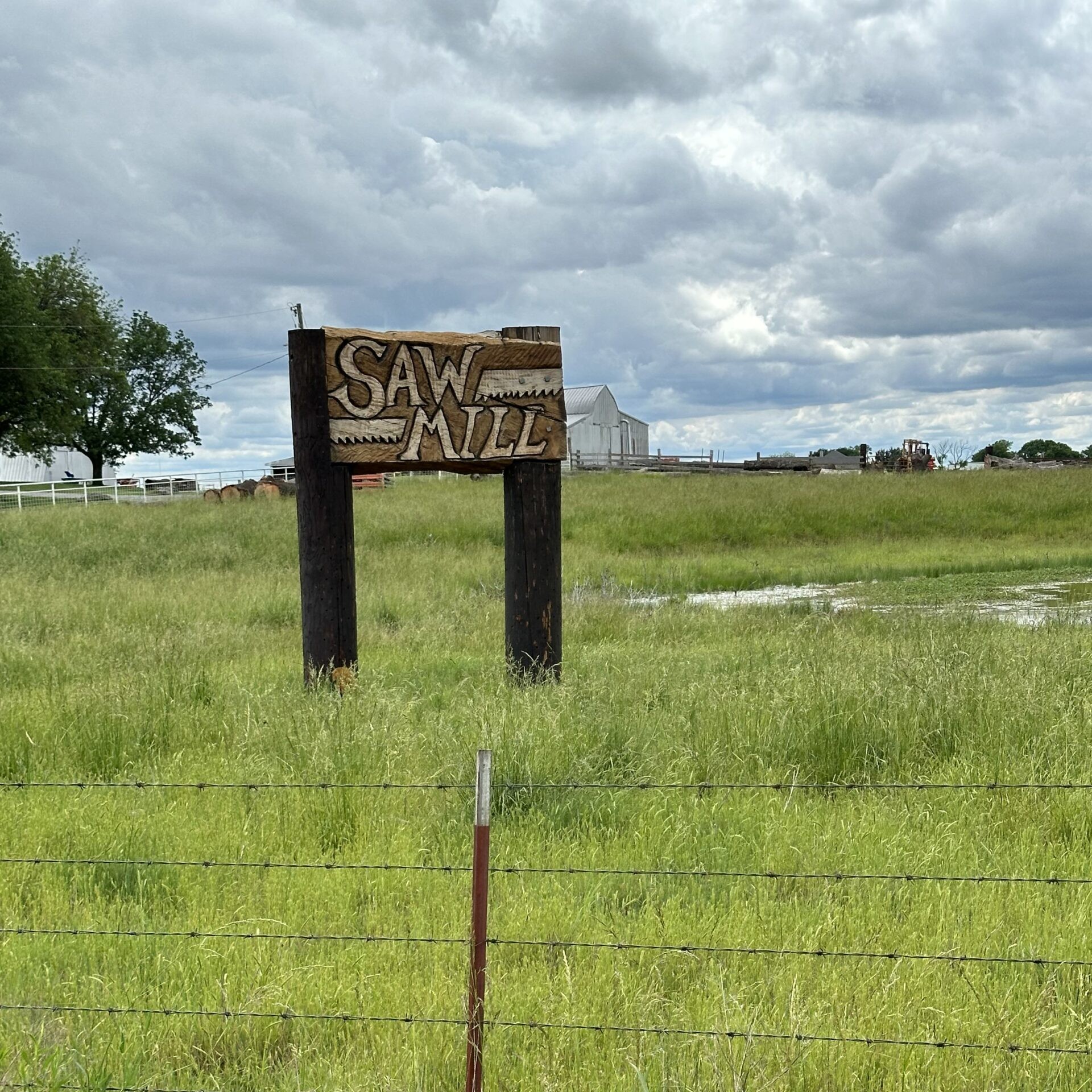
At Bark to Board Sawmill, we provide a wide range of hardwood species, including Walnut, Pecan, Sycamore, American Elm, Osage Orange, Silver Maple, Sweetgum, Cottonwood, Red Oak, White Oak, Hackberry and Ash — each suited for different industries and applications.
Why Choosing the Right Hardwood Species Matters
Not all hardwoods are created equal. Each species varies in:
- Strength and durability
- Grain pattern and appearance
- Workability
- Resistance to moisture and wear
- Cost and availability
The right choice depends on how and where the wood will be used. For example, a dining table requires stability and visual appeal, while a trailer deck needs strength and durability.
Understanding Hardwood Applications
Before diving into specific species, it’s helpful to understand how hardwoods are typically used across industries.

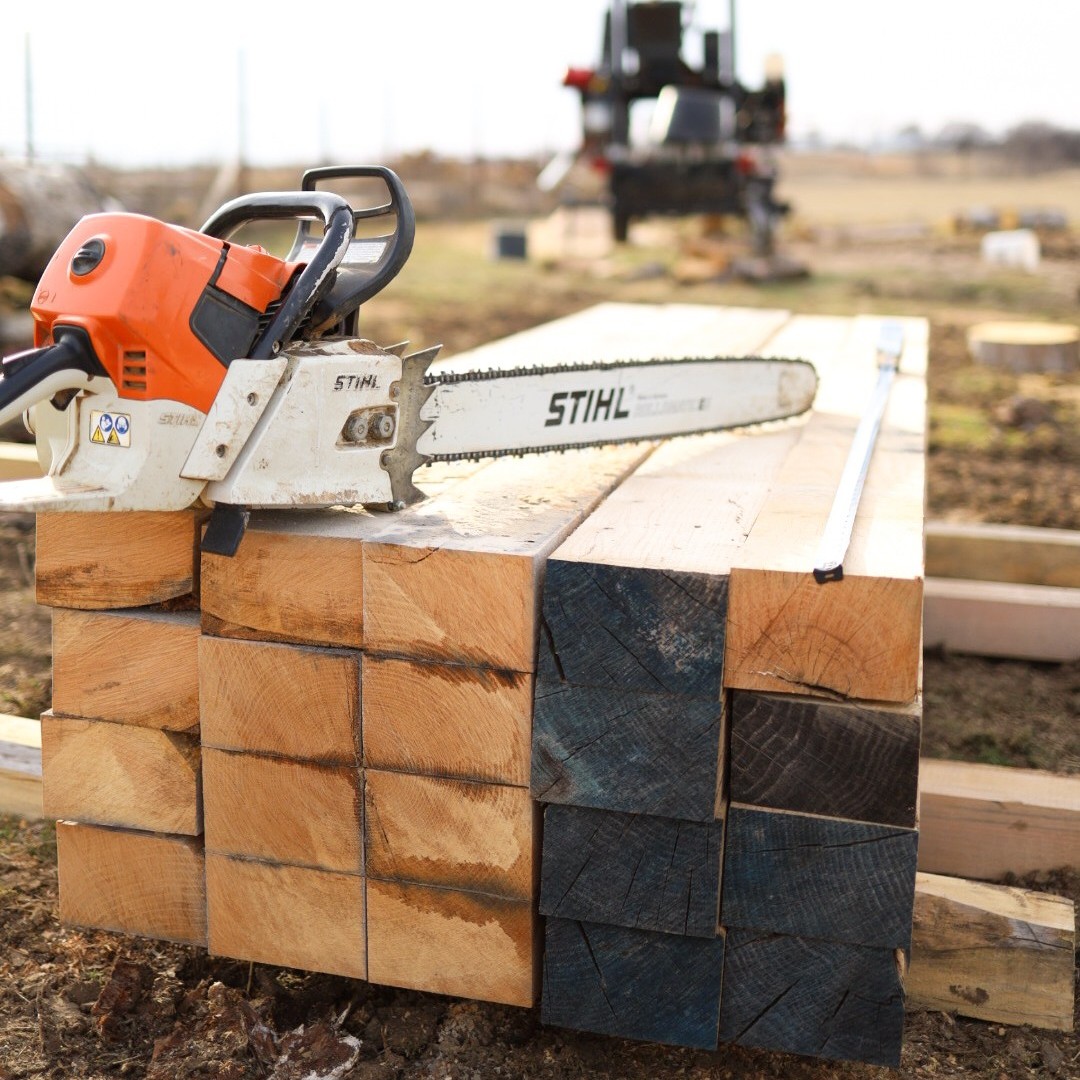
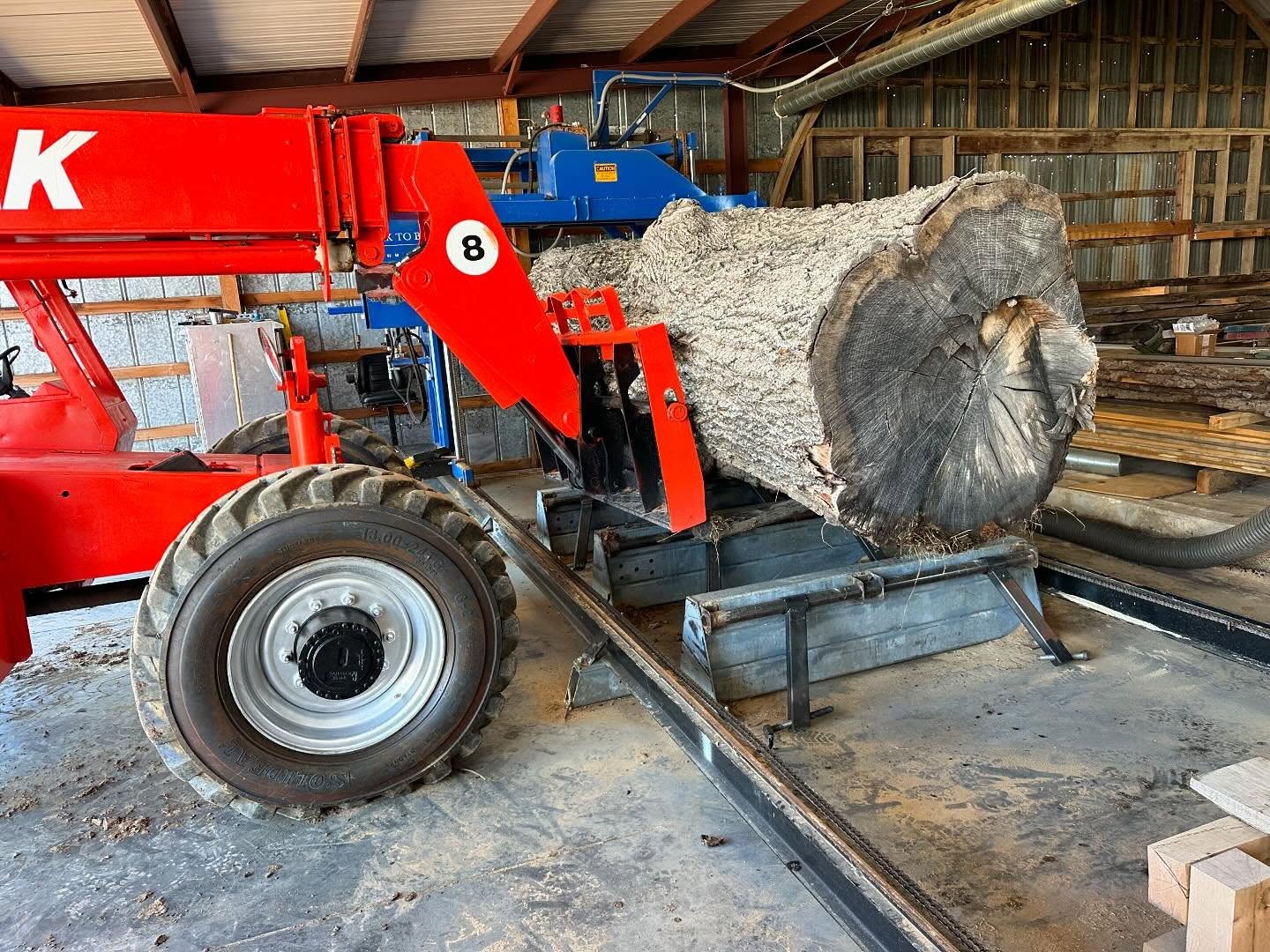
1. Furniture & Interior Projects
These projects require wood that is:
- Stable (especially when kiln-dried)
- Visually appealing
- Easy to machine and finish
Examples: tables, desks, cabinets, shelving.
2. Construction Applications
Construction projects demand:
- Structural strength
- Consistency
- Durability
Examples: beams, framing, trim, flooring.
3. Agricultural Uses
Agricultural applications require:
- Toughness and impact resistance
- Ability to withstand outdoor conditions
- Longevity under heavy use
Examples: trailer decking, barns, farm structures.
Hardwood Species Breakdown
Let’s take a closer look at the species we offer and where each one shines.
Walnut

Best for: furniture, high-end projects
Walnut is one of the most sought-after hardwoods thanks to its rich, dark color and smooth grain. It’s a top choice for dining tables, desks and custom furniture pieces.
Why choose it:
- Premium appearance
- Stable and durable
- Easy to work with
Pecan
Best for: heavy-duty furniture, agricultural uses
Pecan is extremely hard and durable, making it ideal for projects that need to handle wear and tear.
Why choose it:
- High strength
- Bold grain patterns
- Long-lasting performance
Sycamore
Best for: furniture, interior applications
Sycamore offers a light color with unique grain patterns that stand out in custom builds. Quarter-sawn grain (American Lacewood) offers a very unique pattern that is attractive to wood turners and table builders.
Why choose it:
- Distinctive look
- Smooth finish
- Great for desks and tables
American Elm

Best for: furniture, rustic builds
American Elm is known for its interlocking grain, which makes it resistant to splitting.
Why choose it:
- Strong and flexible
- Unique grain character
- Good for rustic furniture
Osage Orange
Best for: Tool handles and outdoor uses
Osage Orange is one of the toughest woods available, with excellent resistance to rot and insects.
Why choose it:
- Extremely durable
- Long lifespan outdoors
- Ideal for fence posts and heavy-use applications
Silver Maple
Best for: furniture, decorative projects
Silver Maple is lighter and easier to work with than many hardwoods.
Why choose it:
- Smooth texture
- Easy machining
- Great for custom builds
Sweetgum

Best for: decorative furniture, unique projects
Sweetgum offers distinctive grain patterns that add character to any project.
Why choose it:
- Eye-catching appearance
- Good for custom pieces
- Affordable option
Cottonwood
Best for: carving, specialty projects
Cottonwood is lightweight and easy to shape, making it ideal for carving and creative work.
Why choose it:
- Easy to work with
- Lightweight
- Cost-effective
Red Oak
Best for: construction, furniture
Red Oak is a reliable, widely used hardwood known for its strength and versatility.
Why choose it:
- Strong and durable
- Readily available
- Great for flooring and cabinetry
White Oak

Best for: construction, agriculture, furniture
White Oak is one of the most versatile hardwoods available. It’s highly resistant to moisture, making it suitable for both indoor and outdoor use.
Why choose it:
- Exceptional durability
- Moisture resistance
- Ideal for beams, furniture and trailer decking
Hackberry
Best for: furniture, general woodworking
Hackberry is often overlooked but offers solid performance and a clean, light appearance.
Why choose it:
- Easy to work with
- Subtle grain
- Versatile use
Ash
Best for: furniture, tool handles, structural use
Ash is known for its strength and shock resistance.
Why choose it:
- Strong yet flexible
- Straight grain
- Great for high-impact applications
How to Choose the Best Hardwood Species for Your Project
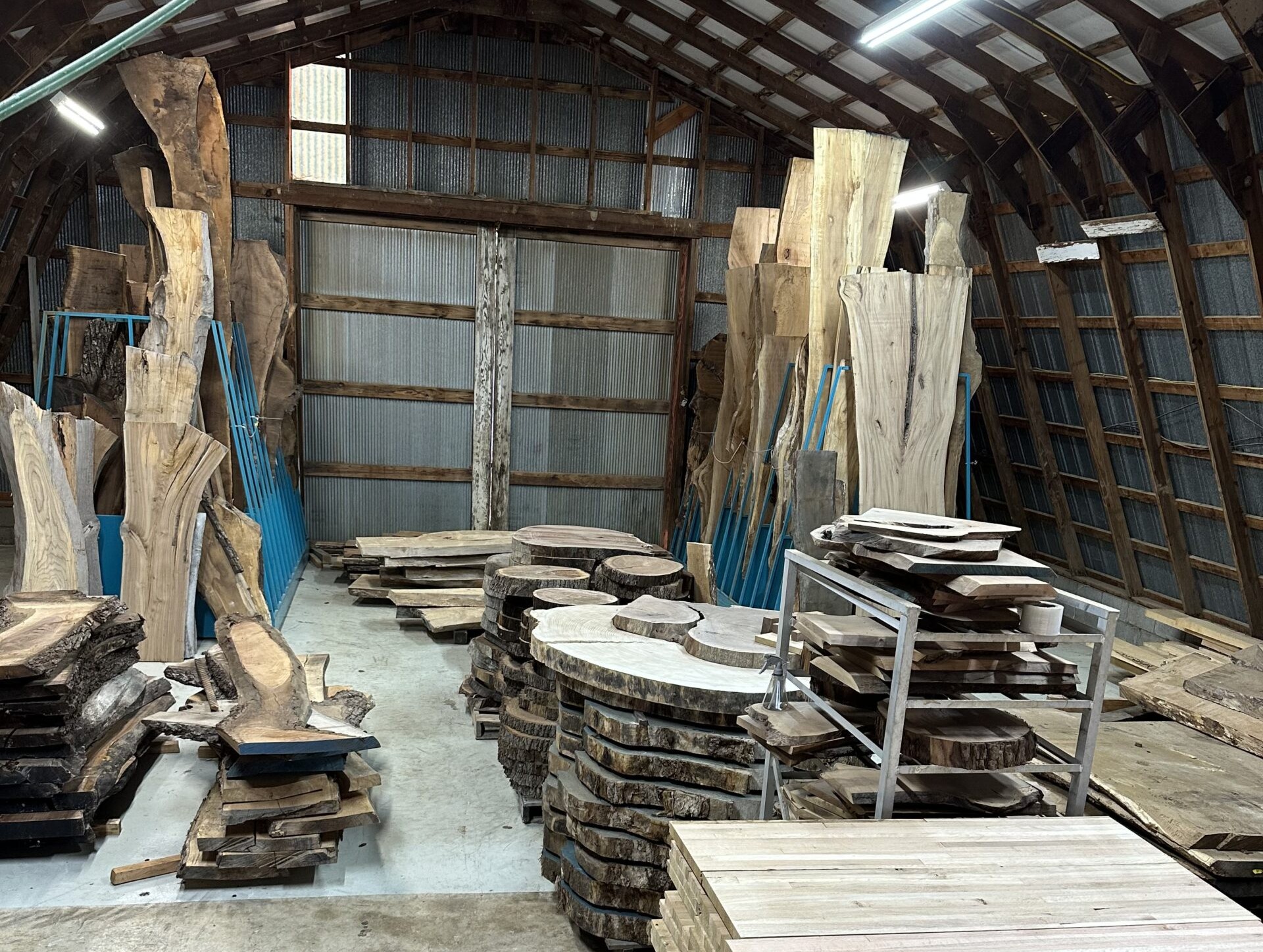
When deciding on the best hardwood species, consider the following factors:
1. Project Location
- Indoor → prioritize stability and appearance (Walnut, Sycamore, Ash)
- Outdoor → prioritize durability and resistance (White Oak, Osage Orange)
2. Strength Requirements
- Heavy-duty use → Pecan, White Oak, Ash
- Light-duty use → Cottonwood, Silver Maple
3. Appearance
- Dark, rich tones → Walnut
- Light, clean look → Sycamore, Silver Maple
- Bold grain → Pecan, Elm
4. Workability
- Easy to machine → Ash, Cottonwood, Silver Maple
- More challenging but durable → Pecan, Osage Orange
Matching Wood Species to Industry Needs
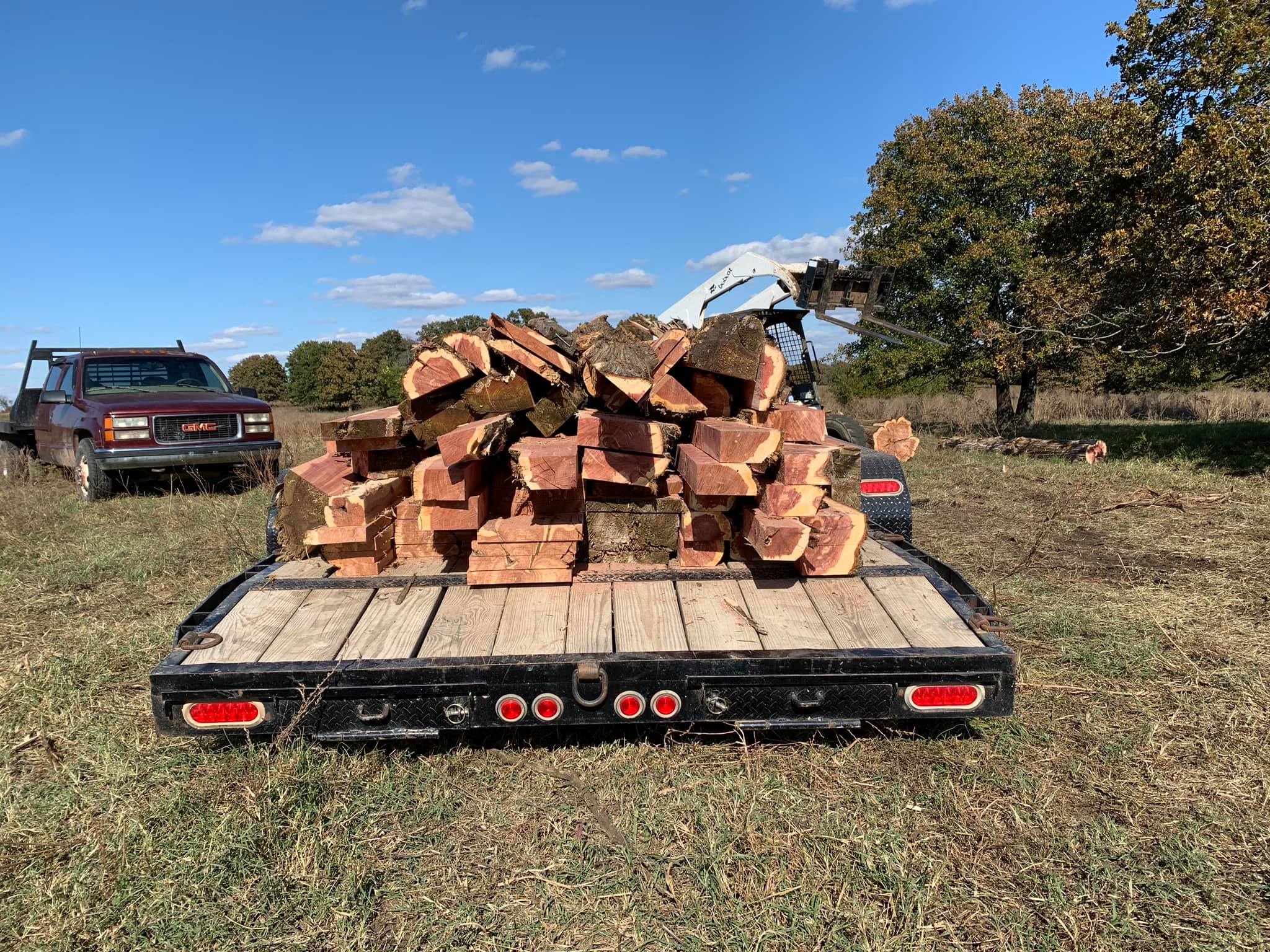


Agriculture
For farm and ranch applications, durability is key.
Best hardwood species:
- White Oak
- Pecan
- Osage Orange
These woods handle heavy loads, outdoor exposure and long-term wear.
Construction
Structural integrity and consistency are essential.
Best hardwood species:
- Red Oak
- White Oak
- Ash
These species provide strength and reliability for beams, framing and flooring.
Furniture & Woodworking
Appearance and stability matter most.
Best hardwood species:
- Walnut
- Sycamore
- Silver Maple
- Sweetgum
These woods offer the visual appeal and workability needed for custom builds.
Common Mistakes When Choosing Hardwood
Avoid these common pitfalls:
- Choosing based on price alone
- Ignoring moisture content (kiln-dried vs air-dried)
- Not considering the environment
- Overlooking durability needs
The right hardwood species should match both the function and the environment of your project.
Choosing Your Perfect Hardwood Species
This hardwood species guide is designed to help you make informed decisions when selecting the right material for your project. From the rich elegance of Walnut to the unmatched durability of White Oak and Osage Orange, each species offers unique advantages.
The best hardwood species for your project ultimately depends on how the wood will be used, the environment it will be in and the look you want to achieve.
At Bark to Board Sawmill, we take pride in helping customers choose the right wood for their needs — whether it’s for agriculture, construction or custom furniture.
Ready to Choose the Right Hardwood?
If you’re still unsure which species is right for your project, the team at Bark to Board is here to help. From selecting the best hardwood species to preparing it for your build, we’ll make sure you get the right material for long-lasting results.