
Kiln-Dried vs Air-Dried Lumber: Which Is Better for Your Project?
When choosing hardwood for your next project, one of the most important decisions you’ll make isn’t just the species — it’s the drying method. Understanding the difference between kiln-dried lumber and air-dried lumber can significantly impact the strength, stability, appearance and longevity of your build.
Whether you're crafting a custom walnut dining table or installing a barn structure, the drying process matters.
At Bark to Board Sawmill, we work with a variety of hardwood species including walnut, pecan, sycamore, red oak, silver maple, sweetgum, cottonwood, white oak and even specialty species like hackberry. We also serve industries ranging from custom furniture builders and contractors to agricultural operations. So let’s break down which drying method may be best for your specific project.
Why Drying Lumber Is So Important
Freshly cut wood (also called “green wood”) contains a high moisture content. If that moisture isn’t reduced properly before use, it can lead to:
- Warping
- Twisting
- Cracking
- Shrinkage
- Structural instability
Drying lumber removes excess moisture and stabilizes the wood so it performs reliably in real-world environments. The two most common methods are kiln drying and air drying.
What Is Kiln-Dried Lumber?
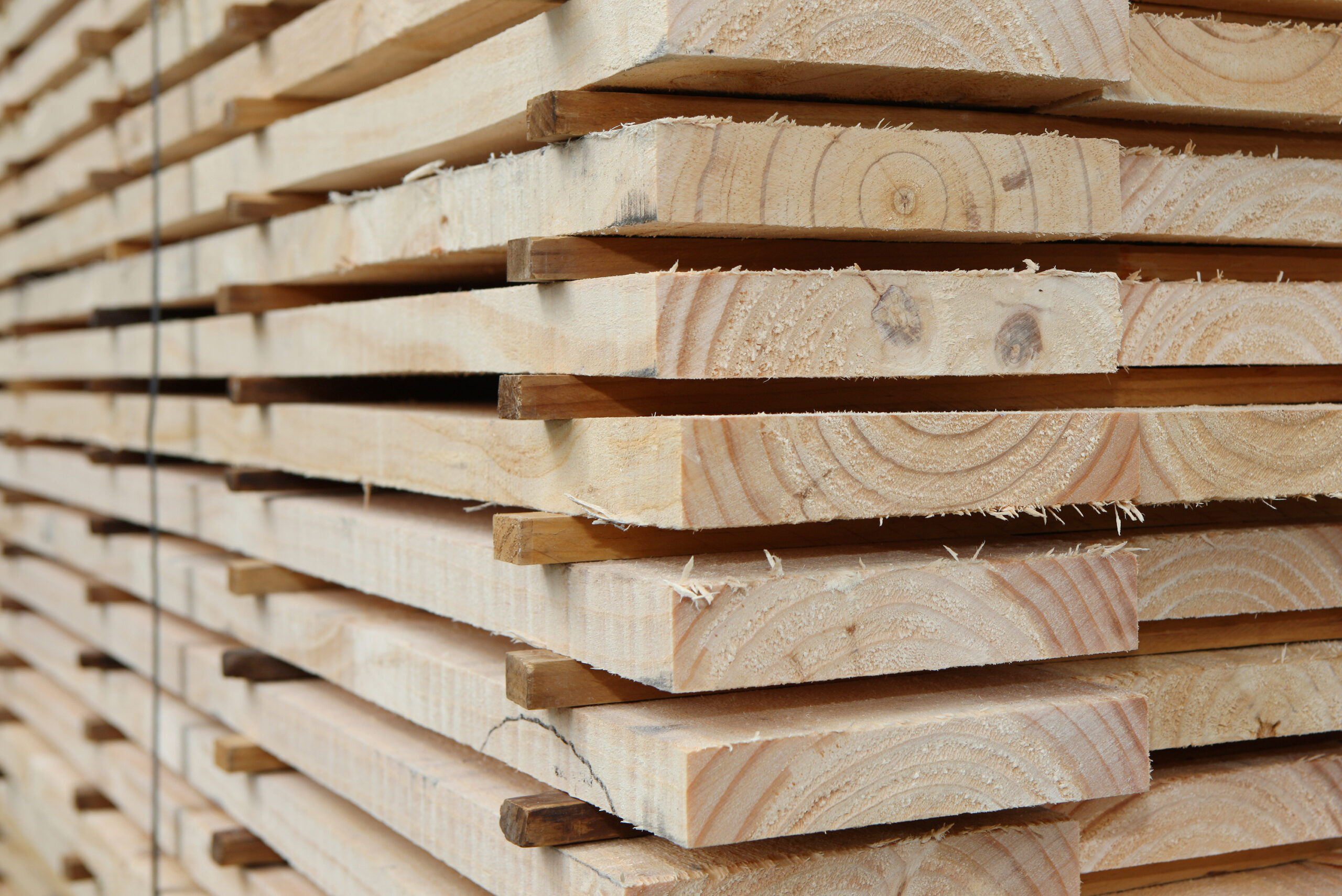
Kiln-dried lumber is wood that has been placed in a controlled drying chamber (kiln) where heat, airflow and humidity are carefully regulated. This controlled environment speeds up the drying process and brings the wood down to a specific, consistent moisture content.
At Bark to Board Sawmill, our process involves air drying for one year prior to kiln drying.
Benefits of Kiln-Dried Lumber
1. Faster Drying Time
Kiln drying dramatically reduces drying time compared to air drying. What may take years outdoors can be completed faster inside a kiln.
2. Precise Moisture Control
Kiln-dried lumber typically reaches a moisture content ideal for indoor use — often between 6% to 10% for furniture-grade materials.
3. Reduced Risk of Warping and Movement
Because the moisture is evenly removed, kiln-dried lumber is more stable, especially in climate-controlled environments.
4. Pest and Mold Elimination
The heat inside the kiln helps eliminate insects, larvae and mold spores.
5. Ideal for Indoor Projects
For furniture, desks, cabinetry and interior trim, kiln-dried lumber is usually the best option.
Best Uses for Kiln-Dried Lumber
Kiln-dried lumber is commonly used for:
- Live edge walnut dining tables
- Sycamore or silver maple desks
- White oak cabinetry
- Red oak flooring
- Custom shelving and built-ins
If your project will live inside a home, office or commercial space, kiln-dried lumber is typically the safest choice.
What Is Air-Dried Lumber?
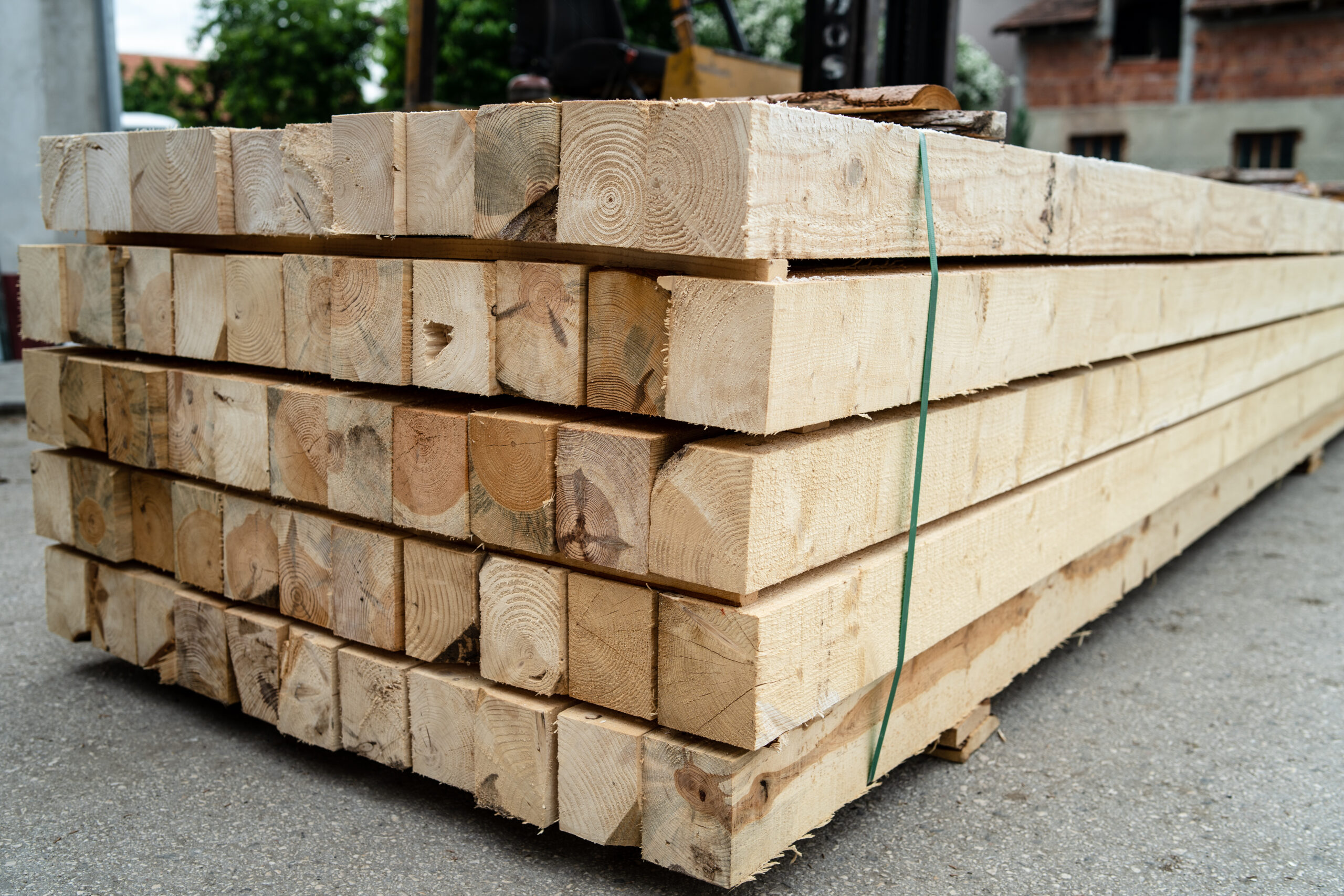
Air-dried lumber is wood that is stacked and left to dry naturally over time. Boards are spaced with “stickers” to allow airflow, and the drying process relies on natural temperature and humidity conditions.
This traditional method has been used for centuries and still has its place today.
Benefits of Air-Dried Lumber
1. Natural Drying Process
Some woodworkers prefer air-dried lumber because it dries more slowly, which can reduce internal stress in certain wood species.
2. Lower Energy Costs
Air drying requires no kiln operation, making it a more energy-efficient method.
3. Often Preferred for Outdoor or Agricultural Projects
In applications where exact indoor moisture levels aren’t required, air-dried lumber performs well.
4. May Be More Cost-Effective
Depending on the timeline and application, air-dried lumber can sometimes be more affordable.
Best Uses for Air-Dried Lumber
Air-dried lumber can be suitable for:
- Barn structures
- Agricultural buildings
- Outdoor furniture
- Rough construction projects
For example, white oak or red oak used in agricultural or structural applications may not require the ultra-low moisture content needed for fine furniture.
Kiln-Dried Lumber vs Air-Dried Lumber: Side-by-Side Comparison
| Drying Time | Weeks | 3 to 4 years |
| Moisture Control | Highly controlled | Dependent on climate |
| Indoor Use | Ideal | May require additional drying |
| Pest Elimination | Yes | Not guaranteed |
| Cost | Higher processing cost | Lower processing cost |
| Best For | Furniture & interior projects | Structural & outdoor builds |
How Wood Species React to Drying
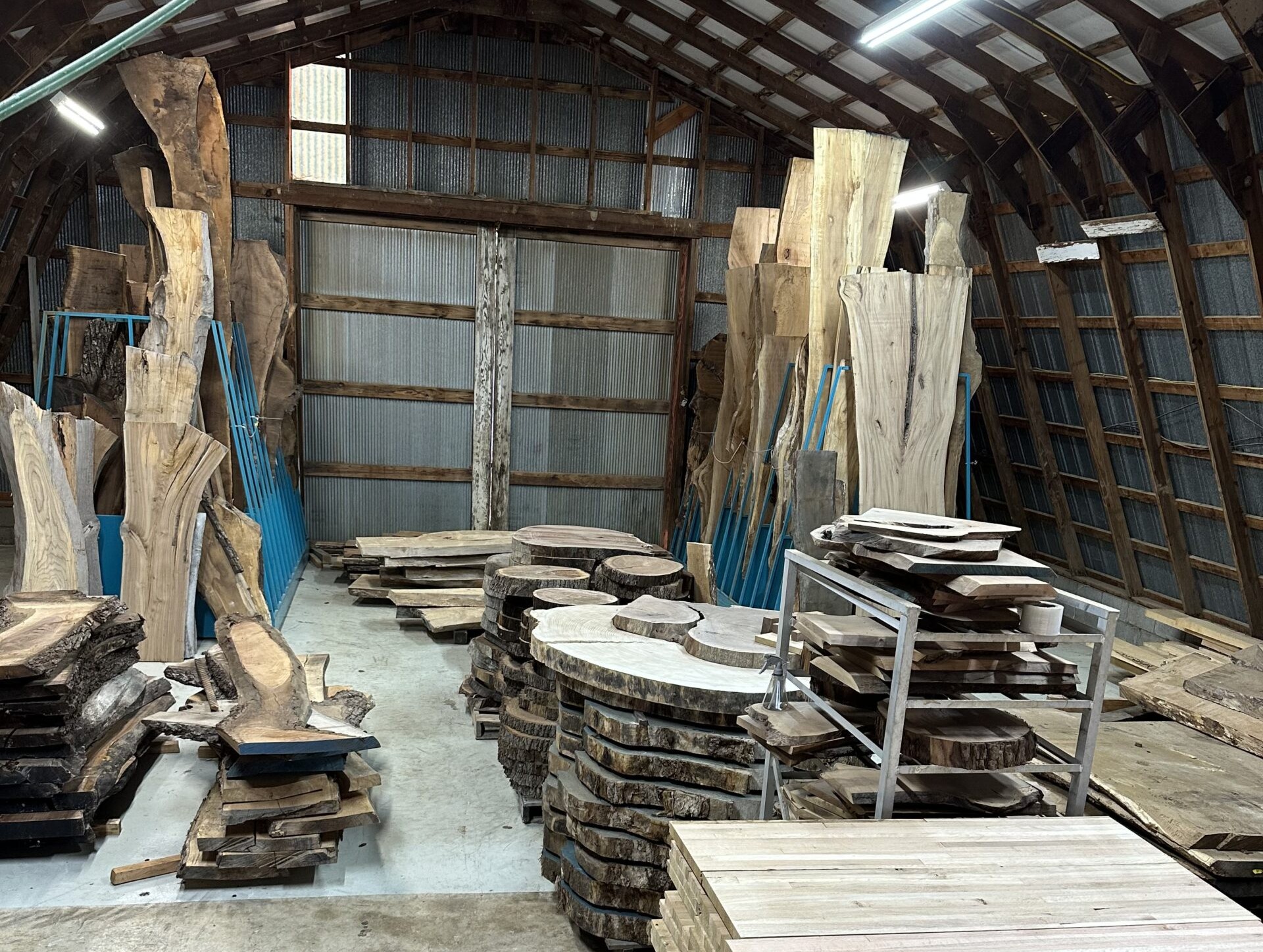
Different hardwood species behave differently during the drying process.
Walnut
Walnut responds very well to kiln drying. Its rich dark tones deepen beautifully, and kiln drying ensures stability for high-end tables and furniture.
White Oak
White oak is dense and durable. For interior applications, kiln-dried white oak prevents movement. For outdoor or agricultural projects, air-dried or green white oak can perform well.
Pecan
Pecan is extremely hard and strong. Controlled kiln drying helps reduce cracking in furniture applications.
Sycamore
Sycamore’s unique grain benefits from kiln drying when used in desks and interior projects.
Silver Maple & Sweetgum
These species are more prone to movement. Kiln-dried lumber is usually preferred for interior builds to prevent warping.
Cottonwood & Hackberry
These lighter hardwoods are easier to work with and often used for specialty or custom projects. Proper drying — especially kiln drying — helps ensure long-term stability.
Choosing between kiln-dried lumber and air-dried lumber often depends on both the species and the final environment.
Which Is Better for Your Industry?
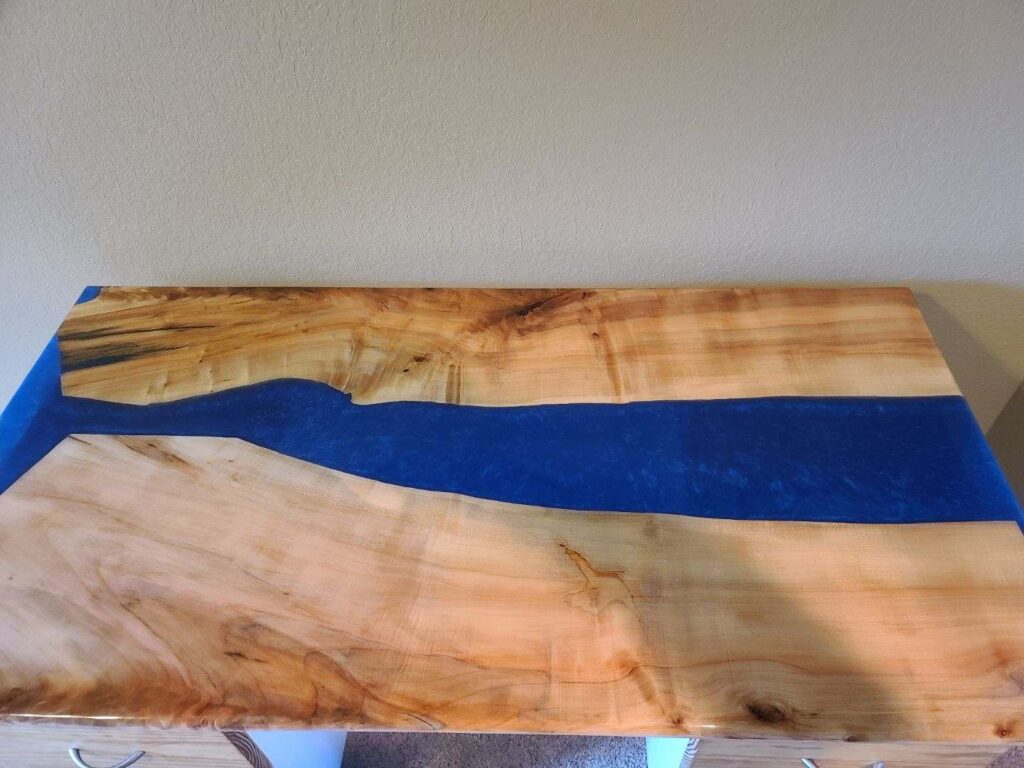
Furniture Makers & Woodworkers
Kiln-dried lumber is almost always recommended. Indoor furniture requires stability, and moisture fluctuations can ruin a finished piece.
Contractors & Builders
If you’re building interior trim, cabinetry or flooring — choose kiln-dried lumber. For outdoor projects or rustic structures, air-dried lumber may suffice depending on conditions.
Agricultural Operations
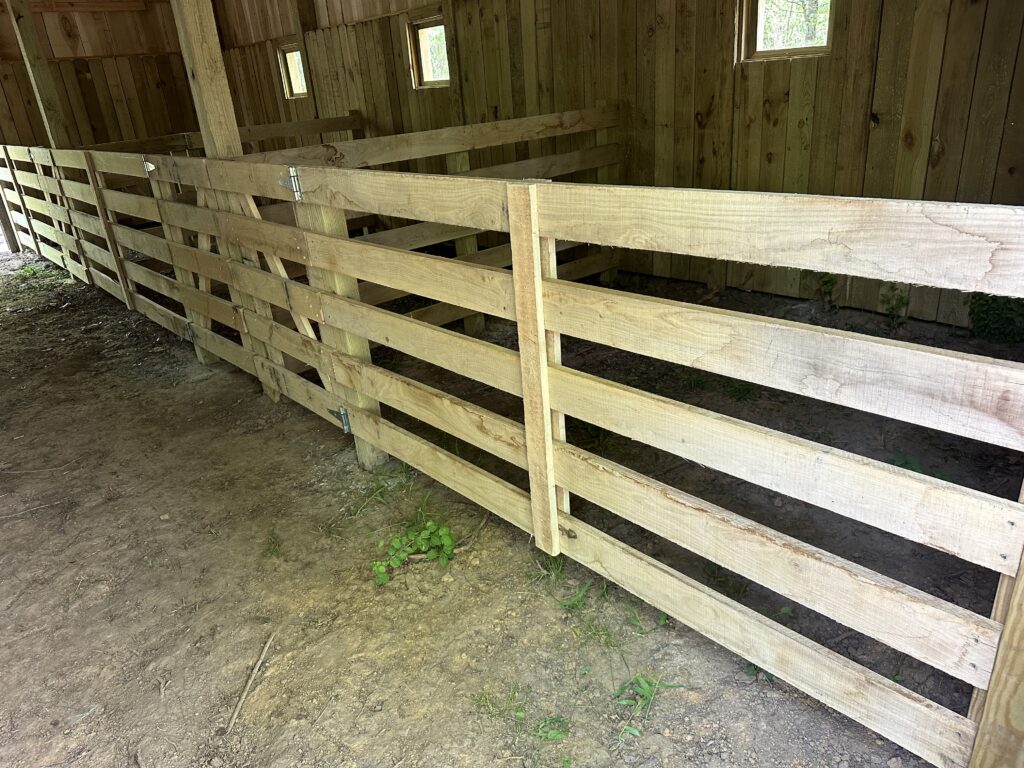
For barns and farm structures, air-dried hardwood can work well. However, if materials will be enclosed or climate-controlled, kiln-dried lumber may provide added stability.
Climate Considerations in Oklahoma
Humidity levels in Oklahoma fluctuate throughout the year. Wood naturally expands and contracts with these changes.
Using kiln-dried lumber for interior projects helps minimize seasonal movement. Even then, allowing lumber to acclimate before installation is critical.
For outdoor or agricultural structures, selecting the right species (like white oak) and proper sealing is just as important as the drying method.
Cost Considerations
Kiln-dried lumber typically costs more because of:
- Energy usage
- Equipment operation
- Faster turnaround
- Additional processing
Air-dried lumber may cost less upfront, but could require additional drying time before interior use.
The right choice depends on:
- Your timeline
- Your budget
- The environment where the project will live
- The wood species selected
Common Mistakes to Avoid
- Using air-dried lumber indoors without checking moisture content
- Skipping acclimation time before installation
- Assuming all species behave the same
- Choosing based on price alone
Moisture content is one of the most overlooked — yet most important — factors in woodworking and construction.
So, Which Is Better?
There is no universal answer. The better choice depends entirely on your project.
Choose kiln-dried lumber if:
- Your project is indoors
- You need precise stability
- You’re building fine furniture
- You want minimal movement over time
Choose air-dried lumber if:
- Your project is structural or agricultural
- It will live outdoors
- You’re building rustic or heavy timber structures
- Exact moisture levels aren’t critical
At Bark to Board Sawmill, we help customers choose the right option based on species, industry and end use. Whether you're building a live edge walnut table, installing green white oak outdoor porch posts or creating custom sycamore furniture, selecting the proper drying method ensures your project lasts for years to come.
Kiln-Dried Lumber vs Air-Dried Lumber
Understanding the difference between kiln-dried lumber and air-dried lumber empowers you to make better decisions for your build. Drying isn’t just a technical step — it directly affects durability, appearance and performance.
If you’re unsure which option is right for your project, we’re here to help.
The right lumber — dried the right way — makes all the difference.
Ready to Start Your Project?
Contact Bark to Board Sawmill today to discuss your needs. Whether you need kiln-dried lumber for fine furniture or air-dried lumber for agricultural applications, we’ll help you select the best materials for your build.